

Experiencing Winter Boiler Struggles?
Why Your Boiler Struggles More in Cold Weather
Cold weather puts extra pressure on every part of your heating system. A winter boiler works harder, runs longer and faces outdoor temperatures that can affect internal components. When the temperature drops, small issues that went unnoticed in warmer months quickly turn into bigger and more noticeable problems. Understanding why this happens helps you protect your home, avoid breakdowns and maintain steady warmth throughout the season.
How Cold Temperatures Affect a Winter Boiler
A winter boiler has to heat much colder incoming water. This means the system must fire more frequently and for longer periods to reach the temperature set on your thermostat. If your boiler is older, has not been serviced recently or has gradual wear inside the unit, this increased workload can reveal issues quickly. You may notice slow warming, unusual noises, drops in pressure or inconsistent heating across your home.
- Colder mains water means more energy needed to heat it
- Internal components experience more strain during winter usage
- Small faults become more obvious when the system runs for longer periods
- Homes demand more heat, creating more frequent boiler cycles
Frozen Condensate Pipes
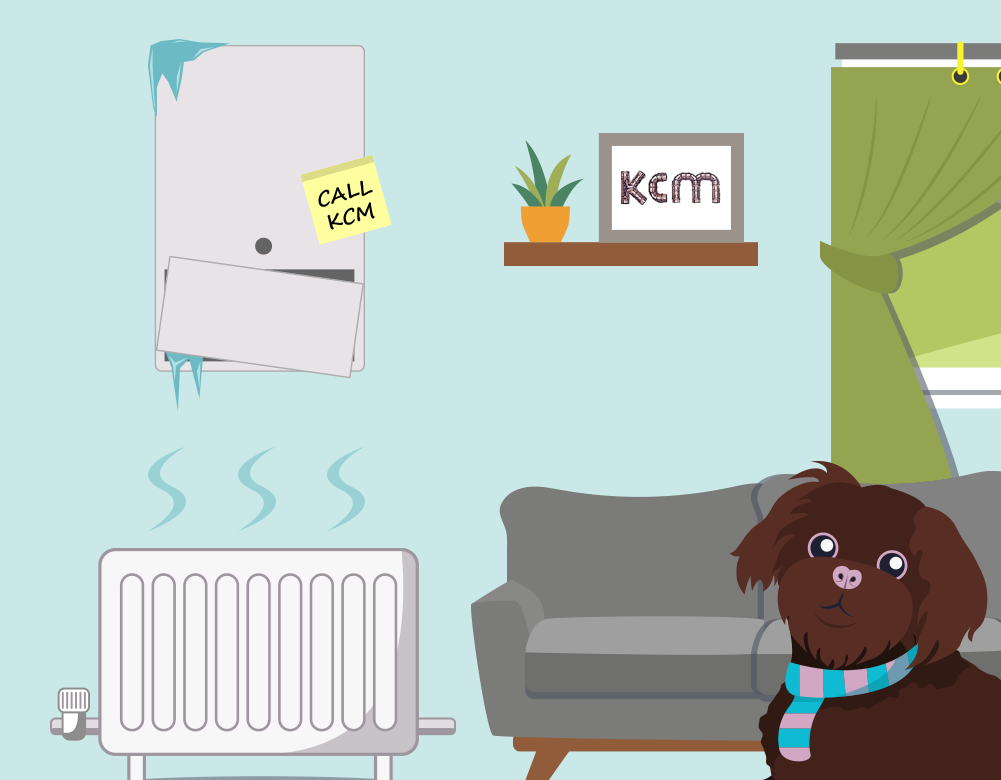
One of the most common winter boiler failures is a frozen condensate pipe. This exterior pipe carries away moisture created during the heating process. When frost hits, the pipe can freeze, causing a blockage. The boiler will detect this and shut down as a safety measure. Although frustrating, the issue is usually simple to fix once identified, and insulation can help prevent it.
- Condensate pipes are often outside and exposed to freezing temperatures
- Ice causes blockages that trigger safety shutdowns
- Insulating the pipe is an easy preventative measure
- Thawing with warm water is usually safe if done carefully
Increased Heating Demand in Winter
Radiators work harder, heat takes longer to travel through the system and your home uses more hot water. Any debris inside your pipework or radiators will slow down the flow of water, forcing your winter boiler to work harder. Sludge, limescale and blocked filters are common reasons for slow or uneven heating.
- Higher heating demand means more frequent boiler cycles
- Sludge in radiators restricts flow and weakens heat output
- Limescale builds up inside older systems, reducing efficiency
- Filters can clog faster in winter conditions
Thermostat and Control Issues in Cold Weather
Many homeowners adjust settings during winter without realising the impact it has on the system. Turning the temperature up too high, running heating constantly or misusing control settings can all put unnecessary stress on a winter boiler. These changes might provide temporary comfort but can reduce efficiency and raise the risk of faults.
- Incorrect temperature settings force the system to overwork
- Running the boiler all day increases wear on components
- Poorly placed thermostats misread temperatures and trigger extra heating
- Older controls may not respond accurately in cold weather
How to Keep Your Winter Boiler Running Smoothly
With the right preparation and simple steps, you can avoid most cold-weather boiler problems. Preventative care always saves money compared to emergency repairs and helps your system run more efficiently.
- Book a full boiler service before winter arrives
- Insulate external pipes to avoid freezing issues
- Bleed radiators to remove trapped air and improve heat flow
- Check and maintain correct boiler pressure
- Use your thermostat efficiently with smart scheduling
- Consider a system flush if you notice slow heating or cold spots
When Older Boilers Struggle in Winter
Older units naturally find winter conditions more challenging. Components wear over time and efficiency drops, especially in cold weather when demand increases. A winter boiler that is over ten to fifteen years old is more likely to experience pressure issues, part failures or inconsistent heating.
- Older systems lose efficiency in colder conditions
- Repairs may become more frequent during winter months
- Replacement could save on long term costs and energy usage
- Modern boilers cope better with cold weather demands
The Importance of Preparing Your Heating for Winter
A winter boiler is essential for comfort, safety and cost effective heating. Preparing early and understanding how cold weather affects your system helps minimise surprises. Small maintenance steps and proper use of controls ensure your home stays warm, your bills stay manageable and your boiler stays reliable throughout the season.
Get it touch with our expert team of Gas Safe Registered engineers to arrange any heating services or repairs today. Taking care of your winter boiler now can prevent emergency callouts, avoid costly breakdowns and give you complete peace of mind during the coldest months of the year.